What is a client portal?
A client portal is a private area where your clients sign in to see their bookings or projects, share documents, pay invoices and message your team. It replaces the email thread where those things usually live.
Guide for small businesses
If your needs are standard, start with a ready-made client portal tool: it avoids a build and its upkeep. Build a custom portal when your process does not fit the tools, when it must connect deeply to your other systems, or when you want it to work exactly the way your business does.
We build custom portals, so we have a stake in this. This is the advice we will give on a first call, including telling you not to build. Halyard Ops is a new studio and has not built a client portal for a client yet.
A client portal is a private area where your clients sign in to see their bookings or projects, share documents, pay invoices and message your team. It replaces the email thread where those things usually live.
Roundups of portal tools for small businesses are easy to find. Try a few with test data before you commit.
Buying: a subscription, often with limits on users, clients or storage, plus setup time and the cost of working around what the tool cannot do.
Building: a one-off build price, hosting and payment fees, and ongoing care. Custom software is not finished at launch. Our optional monthly care covers monitoring, alerts, fixes and one improvement a month; ask any developer what theirs covers, for example updates, backups and security fixes, and what it costs.
Prices vary widely between providers and projects, so we do not quote ranges here. Ask for a fixed, written price.
We settle who can see what, how clients get access, what happens to your existing records and which payment provider to use. Then you see a working version every week, and at handover you receive the source code and the accounts. The details are on our page about custom client portal development. We have not built portals for regulated data, so if that is your reason to build, ask any developer, including us, which hosting setup they have actually checked.
Not automatically. Security depends on how a portal is built, hosted and looked after. With a ready-made tool, security is the provider's job, so ask for it in writing; a custom portal is only as secure as its build, hosting and upkeep. If you handle regulated data, tell any provider on the first call.
Yes, and it is often sensible. Export your data regularly, keep documents in a format you can move, and keep a list of what the tool could not do. That list becomes the brief for a custom build.
It depends on the screens and the rules. We give a date range after a short scoping call, with a working version to click through every week from week one.
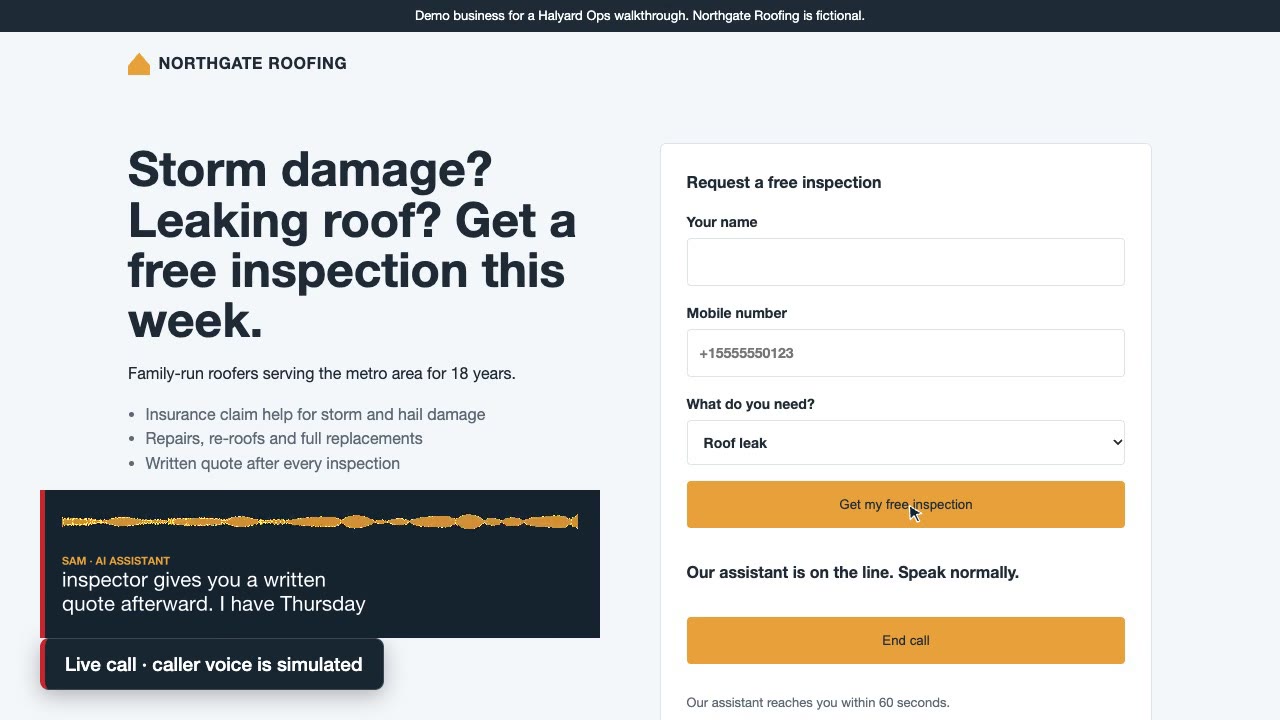 Demo build notes: speed-to-leadWhat we measured in one demo build on a fictional company, and what is real and what is staged.
Book a 15-minute call, or email us the business and the problem. We reply within one business day with whether we can help and a fixed quote for a first build.